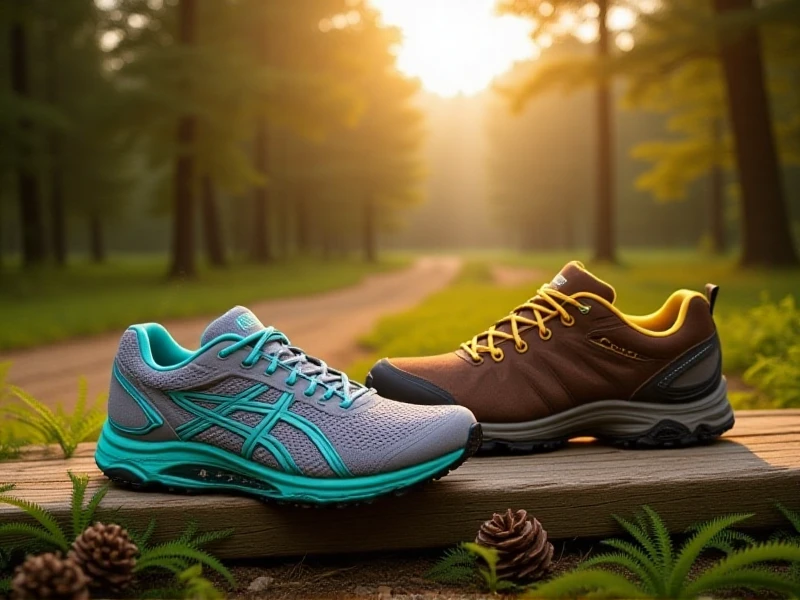
Hiking Shoes: Your Ultimate Trail Companion
Venturing onto hiking trails demands reliable gear, and nothing is more critical than your footwear. Hitting the trails without the right pair of hiking shoes is like driving on rugged terrain with bald tires – possible, but unnecessarily risky and uncomfortable. Finding the best hiking shoes is the cornerstone of a safe and enjoyable outdoor experience.
Why Proper Hiking Shoes Are Non-Negotiable
Quality hiking shoes offer far more than just protection from dirt and rocks. They are engineered specifically for the challenges of uneven terrain. Key features include:
- Unmatched Traction: Aggressive rubber soles, often featuring technologies like Vibram outsoles, grip onto slippery rocks, loose gravel, muddy paths, and wet roots, drastically reducing the risk of slips and falls.
- Stability & Support: Built with sturdy constructions including supportive midsoles and often structural ankle support (especially in boots), they help stabilize your feet and ankles on uneven surfaces, preventing twists and sprains.
- Essential Protection: Durable uppers, frequently made from abrasion-resistant leather or synthetic materials, shield your feet from brush, sharp rocks, and debris. Protective rubber toe caps add another layer of defence against hard impacts.
- Superior Comfort: Modern midsoles use cushioning technologies (like EVA foam or specialized compounds) to absorb shock on long descents. Good arch support minimizes fatigue.
- Water Management: Options range from lightweight, breathable low-top shoes for dry trails to waterproof hiking shoes (using membranes like GORE-TEX® or eVent®) for wet conditions and stream crossings. Breathability is crucial to prevent sweaty feet, even in waterproof models.
Choosing Your Perfect Pair: Key Considerations
Selecting the best hiking shoes for your adventures means looking beyond just looks:
- Terrain & Distance: For light trails and day hikes, lightweight trail runners or low-top hiking shoes offer agility and comfort. For heavier loads, rough terrain, or multi-day backpacking, mid or high-cut hiking boots provide crucial ankle support and stability.
- Foot Shape & Fit: Try on different brands and models. Your toes should have wiggle room (about a thumb's width at the end), your heel should be securely locked down without slippage, and the shoe should feel supportive across your arch and midfoot immediately – don't count on significant "break-in." Consider going up half a size from your regular shoes.
- Materials: Full-grain leather offers maximum durability and protection but is heavier and less breathable. Split-grain leather/synthetic combinations are lighter and more breathable. Waterproof membranes add weather protection.
- Weight: Lighter shoes reduce fatigue over long miles, crucial for fast-and-light hiking. Heavier boots offer more durability and support for technical trails or heavy packs. Find your balance.
- Waterproofness: Essential if you hike consistently in rain, snow, mud, or wet grass. Otherwise, non-waterproof hiking shoes offer better breathability and dry faster if they get wet.
Caring for Your Investment
Maximize the life and performance of your hiking shoes:
- Clean off dirt and mud after each hike using a soft brush and water.
- Allow them to air dry naturally away from direct heat sources.
- Reapply water-repellent treatments periodically (especially for waterproof styles).
- Replace worn-out insoles for sustained comfort and support.
Gear Up for the Journey
Investing in the right pair of hiking shoes is an investment in your comfort, safety, and enjoyment on the trail. Take the time to understand your needs, prioritize fit above all else, and choose shoes engineered for the specific demands of hiking. A well-chosen boot or shoe will unlock countless miles of adventure, transforming challenging paths into rewarding journeys. Lace up, hit the trail with confidence, and let your feet carry you to breathtaking new places.
— TrailBlaze Outfitters