The Ultimate Guide to Choosing the Right Running Shoes for You
Finding the perfect pair of running shoes isn't just about style – it's essential for performance, comfort, and injury prevention. With countless options flooding the market, selecting the ideal running shoes can feel overwhelming. This guide simplifies the process, highlighting the key factors every runner should consider before hitting the road or trail.
Understand Your Foot Type & Gait: This is the foundation. Knowing whether you have a neutral gait, overpronate (feet roll inward excessively), or underpronate (supinate, feet roll outward) dramatically impacts shoe choice. Visit a specialty running store for a gait analysis; many offer this service free. This insight directs you towards neutral, stability, or motion control running shoes that properly support your unique biomechanics.
Consider Your Running Terrain: Where do you log most miles?
- Road Running Shoes: Designed for pavement and packed surfaces. They prioritize cushioning and responsiveness, using smoother, more durable outsoles. Perfect for daily trainers and road races.
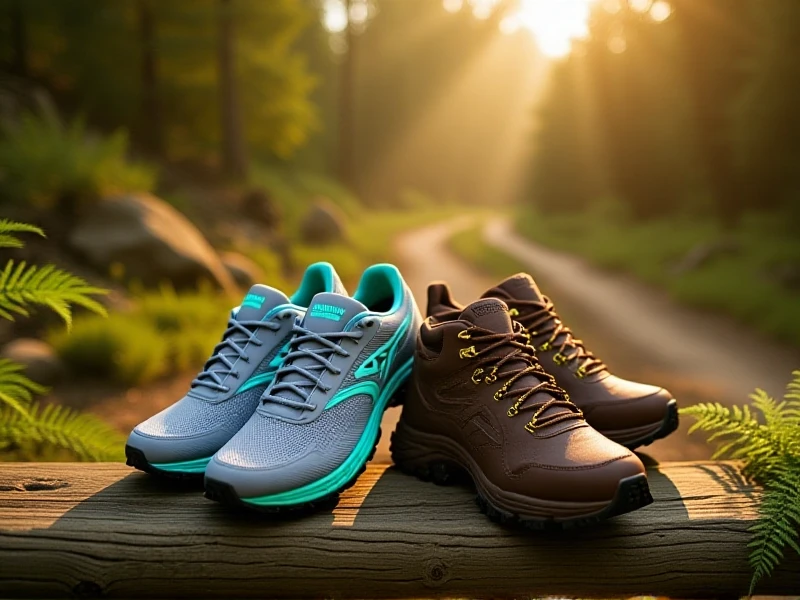
- Trail Running Shoes: Engineered for off-road adventures. Look for aggressive lugs for traction on mud, rocks, and roots, along with protective features like rock plates and enhanced durability. Added stability features are common.
- Cross-Training/All-Purpose: May work for occasional runners on varied surfaces but often lack the specialized support or cushioning of dedicated running shoes.
Focus on Fit & Feel: The best technical specs mean nothing if the shoe doesn't fit perfectly. Key tips:
- Shop Later in the Day: Feet naturally swell during the day, mimicking their state during a run.
- Wear Running Socks: Bring the socks you typically run in.
- Thumb's Width Rule: Ensure about a thumbnail's width of space between your longest toe and the end of the shoe to prevent toe jamming on descents.
- Secure Heel Lock: Your heel should be snug, not sliding, to prevent blisters.
- Roomy Toe Box: Toes should wiggle freely without constriction.
- Walk/Jog Around: Test them properly in-store. Listen for comfort immediately – they shouldn't need significant "breaking in."
Don't Overlook Shoe Lifespan: Even your favorite running shoes wear out! Cushioning breaks down, and support weakens, increasing injury risk. Track your mileage and plan to replace running shoes typically every 300-500 miles, depending on your weight, running style, and terrain. Signs include noticeable midsole compression, sole wear patterns, or recurring aches.
Conclusion: Investing time in choosing the right running shoes is investing in your running future. Prioritize understanding your biomechanics and running environment. Focus relentlessly on a precise, comfortable fit matched to your specific needs. Proper footwear prevents setbacks and elevates every run. Replace them regularly to keep your stride strong, mile after mile. Happy (and comfortable) running!
(word count: Approx. 410)