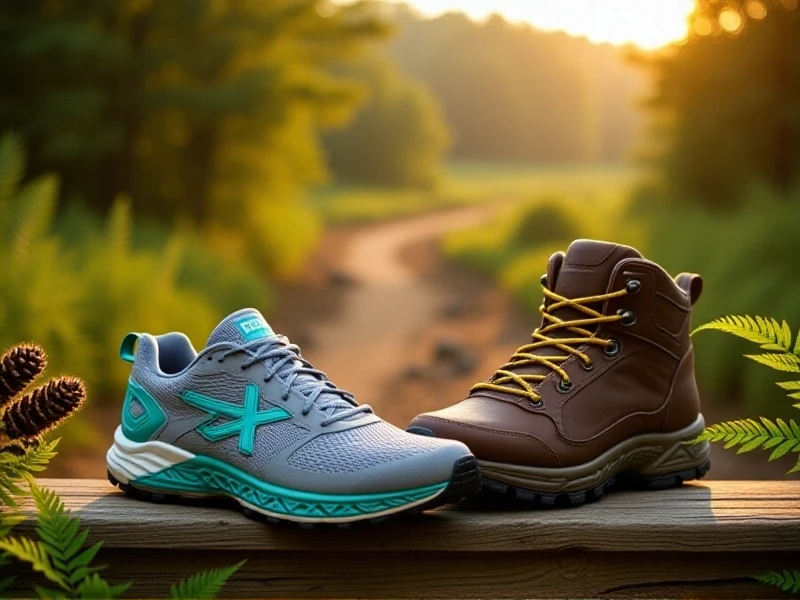
Why Your Next Hike Demands the Perfect Pair of Hiking Shoes
Here's an SEO-optimized article about hiking shoes:
Lacing up the right footwear is the first step to conquering any trail. Hiking shoes aren't just about comfort; they're your essential safety gear, preventing slips, protecting feet, and empowering you to explore further. Choosing the perfect pair is critical for serious trekkers and weekend adventurers alike. Let's explore the key features defining top-tier hiking footwear.
The best hiking shoes excel in core areas: protection, support, and traction. Robust materials shield feet from rocks, roots, and unpredictable terrain. Leather offers excellent durability and weather resistance, while modern synthetic uppers are lighter and dry faster. Reinforced rubber toe caps are an essential shield against stumbles.
Underneath, aggressive outsoles are non-negotiable. Look for deep, multi-directional lugs designed to bite into mud, loose scree, and wet rock. Vibram® rubber soles are renowned for their legendary grip and longevity. Equally crucial is underfoot protection. A sturdy shank (either nylon or steel) embedded in the midsole prevents bruising from sharp rocks and stabilizes uneven ground, making long distances significantly less fatiguing.
Fit reigns supreme. Ill-fitting hiking shoes cause blisters and misery. Seek a snug heel, ample toe box room to wiggle toes (especially crucial during descents), and secure midfoot hold. Proper arch support is paramount, stabilizing your step and preventing foot strain. Ankle support varies: traditional hiking boots provide maximum ankle security over rough terrain or with heavy packs, while modern low-cut hiking shoes offer greater freedom and agility on well-maintained paths or easier trails.
Don't overlook water management. Waterproof membranes like GORE-TEX® keep feet warm and dry crossing streams or in wet conditions, offering breathability crucial for strenuous hikes. However, in hot, dry climates or during fast-paced activity, highly breathable non-waterproof hiking shoes prevent swampy feet and drain better should you get wet.
Investing in quality hiking shoes pays dividends every step of the way. Consider your typical terrain, pack weight, and personal support needs. For challenging adventures, look for durable boots offering robust ankle support and proven waterproofing. For day trips on moderate terrain, flexible low-cut hiking shoes might be ideal.
Here's a quick comparison:
| Feature | Hiking Boots (High-Cut) | Hiking Shoes (Low-Cut) | Trail Runners |
|---|---|---|---|
| Best For | Heavy packs, rocky terrain, ankles | Day hikes, well-maintained trails | Speed, ultralight packing |
| Ankle Support | Maximum protection | Moderate support | Minimal |
| Weight | Heavier, more durable | Lighter than boots | Lightest option |
| Protection | High (rocks, roots, debris) | Moderate | Less, prioritize speed |
| Waterproofing | Mostly available | Commonly available | Less common |
| Stability | Excellent on uneven terrain | Good on trails | Less on technical spots |
Never underestimate worn-out soles or compromised materials. Replacing your hiking shoes when treads fade or cushioning bottoms out is a vital investment in a safe and enjoyable wilderness experience. Step confidently – find the perfect hiking shoes for your adventures today! Explore our top pairs and discover why the right foundation makes every trail better. What features do you prioritize in your hiking footwear? Share your favorites below!