2026-02-05
Finding the perfect pair of running shoes isn't just a luxury; it's essential for comfort, performance, and injury prevention. Whether you’re a casual jogger or training for a marathon, the right footwear makes all the difference. With countless options flooding the market, navigating the choices can feel overwhelming. Let's break down the key factors you need to consider.
Support and Stability Matter Most: Your gait (how your foot strikes the ground) is the primary guide. Do your ankles roll inward excessively (overpronation)? If so, look for running shoes with structured support and motion control features. If you have a neutral gait or supinate (roll outward), neutral cushioned shoes offer the flexibility and comfort you need. Consider getting a gait analysis done at a reputable running store – it’s the most accurate way to determine your needs.
Cushioning & Impact Protection: Feel matters. Some runners love plush, maximal cushioning that absorbs heavy impact, offering cloud-like comfort, especially for long distances. Others prefer minimal cushioning for a responsive, 'closer-to-the-ground' feel, often seeking greater speed and agility. Be honest about the distances you typically run and the surfaces (road vs. trail). Modern midsole foams like EVA blends, TPU, and proprietary technologies (e.g., Nike React, Brooks DNA LOFT, Adidas Boost) provide incredible responsive cushioning and durability.
Fit is Non-Negotiable: Your foot should feel securely held without being constricted. You need about a thumb's width (roughly half an inch) between your longest toe and the end of the shoe. The midfoot should feel supportive, not tight. The heel should lock in comfortably without slipping or rubbing. Width is crucial too – many models offer wider options. Always try shoes on with the socks you plan to wear while running. Shop later in the day when feet are naturally slightly swollen.
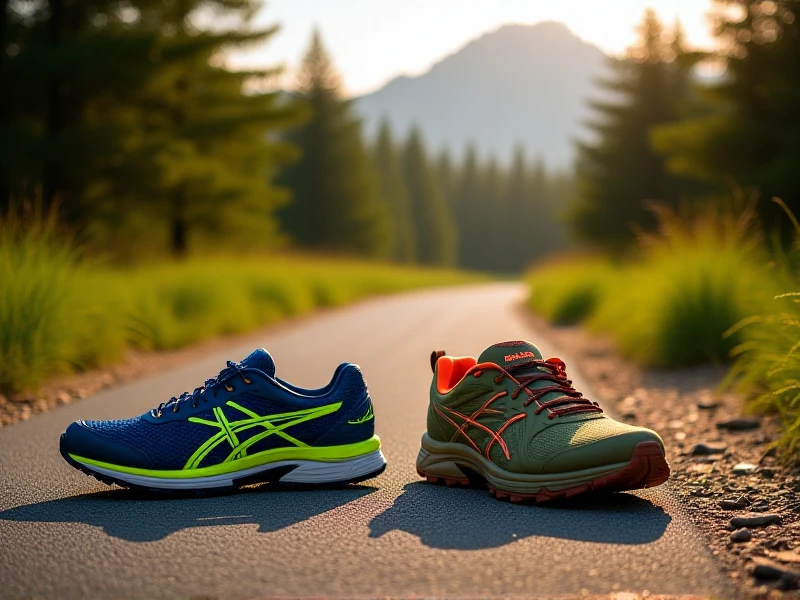
Breathability & Durability: The upper material affects comfort significantly. Mesh ubers rule the day for breathability, keeping feet cool on hot runs. Look for targeted zones with different weaves or overlays for strategic support and ventilation. Consider the outsole material (usually durable rubber) and pattern – deeper, more aggressive lugs are essential for trail running running shoes designed for muddy or uneven terrain, while road shoes have shallower, smoother patterns optimized for pavement.
Investing the time to find your ideal running shoes pays off mile after mile. It elevates your running experience, helps protect your body from repetitive stress injuries, and ultimately makes running more enjoyable, efficient, and effective. Choose wisely, lace them up, and get ready for your best run yet. Your feet (and your health) will thank you. Let your perfect pair support every stride! Make your next run smoother and more supported.
Finding the perfect pair of running shoes isn't just a luxury; it's essential for comfort, performance, and injury prevention. Whether you’re a casual jogger or training for a marathon, the right footwear makes all the difference. With countless options flooding the market, navigating the choices can feel overwhelming. Let's break down the key factors you need to consider.
Support and Stability Matter Most: Your gait (how your foot strikes the ground) is the primary guide. Do your ankles roll inward excessively (overpronation)? If so, look for running shoes with structured support and motion control features. If you have a neutral gait or supinate (roll outward), neutral cushioned shoes offer the flexibility and comfort you need. Consider getting a gait analysis done at a reputable running store – it’s the most accurate way to determine your needs.
Cushioning & Impact Protection: Feel matters. Some runners love plush, maximal cushioning that absorbs heavy impact, offering cloud-like comfort, especially for long distances. Others prefer minimal cushioning for a responsive, 'closer-to-the-ground' feel, often seeking greater speed and agility. Be honest about the distances you typically run and the surfaces (road vs. trail). Modern midsole foams like EVA blends, TPU, and proprietary technologies (e.g., Nike React, Brooks DNA LOFT, Adidas Boost) provide incredible responsive cushioning and durability.
Fit is Non-Negotiable: Your foot should feel securely held without being constricted. You need about a thumb's width (roughly half an inch) between your longest toe and the end of the shoe. The midfoot should feel supportive, not tight. The heel should lock in comfortably without slipping or rubbing. Width is crucial too – many models offer wider options. Always try shoes on with the socks you plan to wear while running. Shop later in the day when feet are naturally slightly swollen.
Breathability & Durability: The upper material affects comfort significantly. Mesh ubers rule the day for breathability, keeping feet cool on hot runs. Look for targeted zones with different weaves or overlays for strategic support and ventilation. Consider the outsole material (usually durable rubber) and pattern – deeper, more aggressive lugs are essential for trail running running shoes designed for muddy or uneven terrain, while road shoes have shallower, smoother patterns optimized for pavement.
Investing the time to find your ideal running shoes pays off mile after mile. It elevates your running experience, helps protect your body from repetitive stress injuries, and ultimately makes running more enjoyable, efficient, and effective. Choose wisely, lace them up, and get ready for your best run yet. Your feet (and your health) will thank you. Let your perfect pair support every stride! Make your next run smoother and more supported.