The Ultimate Guide to Choosing Your Perfect Hiking Shoes
Here is the SEO-optimized article for hiking shoes:
Finding the right hiking shoes is fundamental for unlocking comfortable, safe, and enjoyable adventures on the trail. Whether you're tackling rocky mountain paths, navigating forest floors, or embarking on long-distance backpacking trips, your footwear is your primary connection to the terrain. Choosing poorly can lead to blisters, sore feet, or even injury, turning a day in nature into a struggle. Understanding the key features of hiking shoes empowers you to make the best investment for your feet.
The foundation of any top-notch pair of hiking shoes is grip. The outsole needs reliable, deep lugs made from durable rubber compounds like Vibram® to grip loose dirt, mud, wet roots, and smooth rock faces securely. This dependable traction dramatically reduces the risk of slips and falls, especially in unpredictable conditions. Alongside traction, look for effective underfoot cushioning and shock absorption – often achieved with EVA midsoles or specialized foam inserts – which work tirelessly to minimize fatigue and impact felt by your joints over miles of uneven ground.
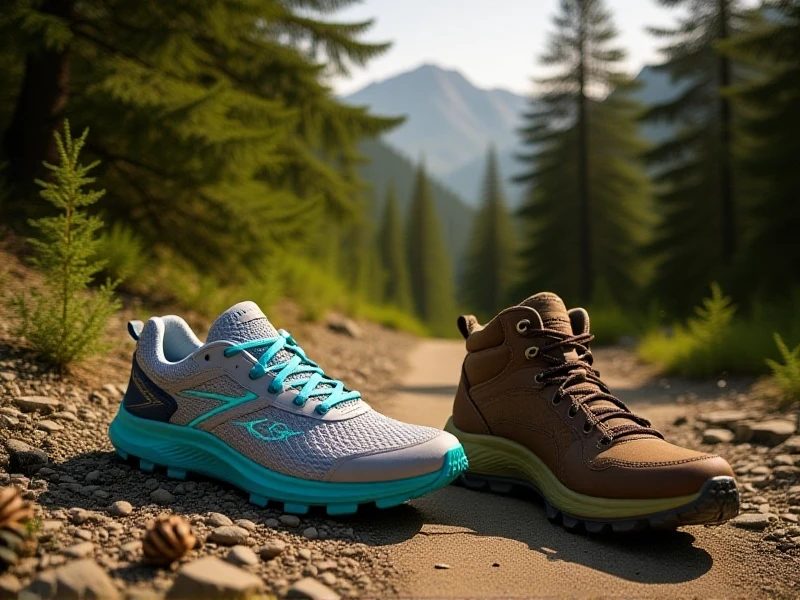
Ankle support is another critical consideration, depending on your activity. Low-cut hiking shoes are fantastic for agility, breathability, and minimizing weight on well-maintained trails or day hikes. Mid-cut styles offer enhanced ankle stability and protection from debris, making them versatile generalists suitable for carrying moderate loads or hiking on varied, technical terrain. High-top boots provide maximum ankle support under heavy backpacks or on exceptionally rugged, uneven mountain routes.
Protection from the elements is crucial. Most modern hiking shoes incorporate waterproof and breathable membranes like Gore-Tex® or proprietary alternatives (often labeled as waterproof hiking shoes). These membranes create a barrier against rain, puddles, and wet grass while allowing perspiration vapor to escape your boot, keeping feet drier internally. For hot, dry conditions or fast-paced activities where sweat management is paramount, non-waterproof, highly breathable mesh options excel.
Finally, weigh the trade-off between weight/stiffness and durability/stability. Lightweight hiking shoes promote faster movement less fatiguing over long distances, ideal for runners or ultralight backpacking. However, they may have less underfoot protection and wear faster. More substantial boots offer unparalleled durability on sharp rocks and long-term support but add ounces to each step. Consider your typical terrain, backpack weight, and hiking style.
Investing time in selecting the right hiking shoes is an investment in countless rewarding trail experiences. Visit an outfitter, try on various brands and models with the socks you intend to wear, walk on inclines, and assess fit and comfort meticulously. Your feet, ankles, and whole body will thank you mile after beautiful mile.