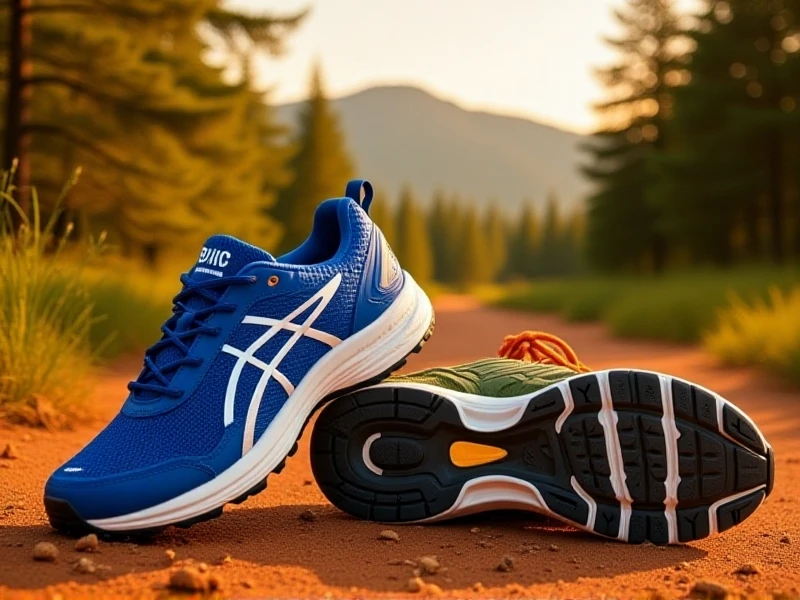
The Ultimate Guide to Running Shoes: Choosing the Perfect Pair for You
Sure, here is an SEO-optimized article about running shoes, written in natural English and designed to engage readers:
Lacing up a pair of well-fitting running shoes is the essential first step to enjoying miles on the trail, track, or road. But with countless brands, models, and technologies promising comfort, speed, and support, how do you find the perfect running shoes for your feet and goals? Investing time in choosing the right pair isn't just about comfort; it significantly impacts performance and helps prevent injuries.
The foundation of selecting great running shoes lies in understanding your needs. Think about your running goals: Are you training for a marathon, doing short sprint intervals, or enjoying casual jogs? Consider your typical running surface – road, track, pavement, trails, or a mix? Road-focused running shoes are designed to absorb concrete shock, while trail-specific shoes offer aggressive tread and rock plates for uneven terrain. Your biomechanics also matter: Do you have a neutral gait, overpronate (foot rolls inward), or supinate (foot rolls outward)? Many specialty running stores offer gait analysis to help answer this crucial question.
Next, explore the core features designed to enhance your run. Cushioning varies dramatically. Lightweight models offer minimal cushioning for a responsive, "ground-feel" experience, ideal for speedwork. Highly cushioned running shoes provide maximum softness for joint protection on long distances, perfect for endurance runners. Mid-range options balance protection and responsiveness. Support, especially in stability running shoes or motion control running shoes, is vital for overpronators. These models incorporate firmer materials on the inner side (medial post) to guide the foot into a more neutral position and improve alignment. Lightweight runners and neutral gaits generally excel in neutral-cushioned shoes. Don't overlook the fit. Ensure adequate space (about a thumbnail's width) beyond your longest toe to prevent black toenails, especially on downhill runs. Shoes should feel snug but not tight through the midfoot and heel, securing your foot without slippage or pinching. Breathable uppers enhance comfort during warm runs.
Technologies are constantly advancing. Look for features like engineered mesh for airflow, seamless collars to reduce chafing, and innovative midsole foams that deliver exceptional energy return for a bouncier, more efficient stride. Trusted brands consistently innovate, but remember the best technology always prioritizes what feels most comfortable and supportive on your unique foot.
Ultimately, your ideal running shoes are a personal choice. They should feel secure and supportive from the very first stride, energizing your run rather than hindering it. Whether you prioritize cloud-like cushioning, targeted stability, trail-ready traction, or race-day responsiveness, the perfect pair awaits. Your next run deserves the right partner!
Ready to find yours? Start researching top running shoe models designed for your specific needs, or visit a local running store for expert advice and a fitting session. Your feet (and performance!) will thank you. Keywords used naturally: Running Shoes, Choose Running Shoes, Buy Running Shoes, Running Shoes Guide, Best Running Shoes, Road Running Shoes, Trail Running Shoes, Stability Running Shoes, Motion Control Running Shoes, Lightweight Running Shoes, Cushioned Running Shoes, Fit Running Shoes. [Brand names like Nike, Brooks, Asics could be inserted contextually if desired]. ***